Backflow Testing in Lincoln Square, Manhattan
Protecting New York City's municipal drinking water from cross-connection contamination is a critical regulatory responsibility. Our certified backflow prevention technicians perform certified annual backflow testing, official NYC DEP filing, mechanical rebuilds, and code-compliant installations across residential cooperatives, condominiums, and mixed-use commercial properties in Lincoln Square.
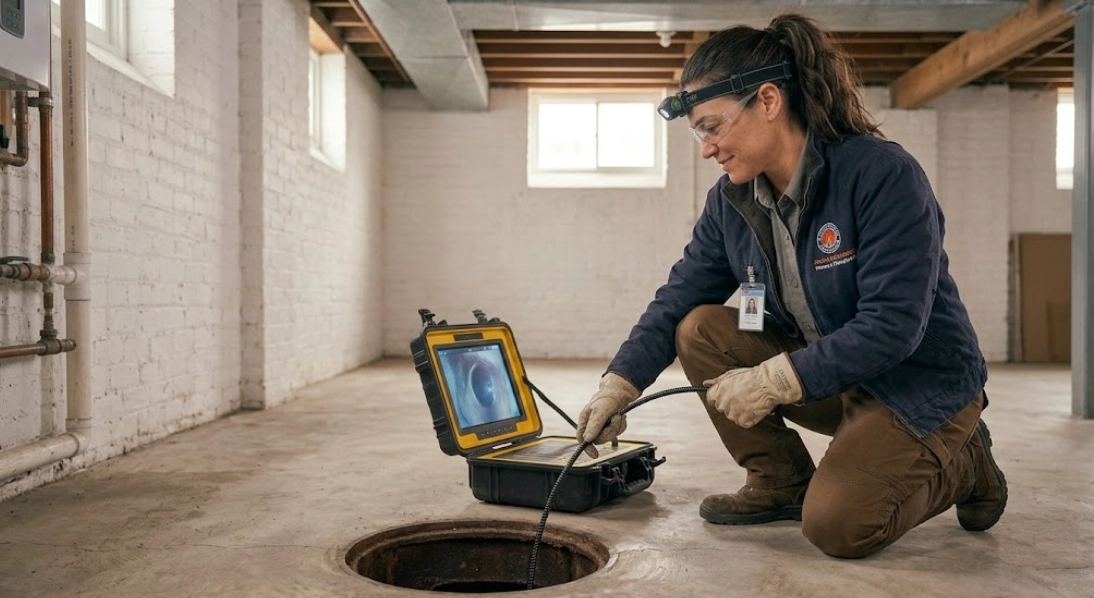
Understanding Cross-Connections & NYC DEP Requirements
In dense urban centers like Lincoln Square, residential and mixed-use properties rely on complex water distribution networks that feed cooling towers, commercial kitchens, fire sprinkler systems, hydronic heating loops, and domestic plumbing lines. A cross-connection is any actual or potential physical link between a potable drinking water system and an unapproved source containing contaminants.
Under unusual hydraulic conditions—such as a sudden water main break along Amsterdam Avenue or heavy firefighter pumper truck drafts—water pressure in the municipal main drops dramatically below building pressure. This causes back-siphonage or back-pressure, pulling non-potable water backward into the clean drinking water network.
To safeguard public health, the New York City Department of Environmental Protection (DEP) mandates that property owners install and maintain certified containment assemblies. Our certified technicians perform mandatory annual backflow test Lincoln Square Manhattan inspections, certify internal check valve differential pressures using calibrated differential pressure gauges, and manage official GEN215B report filings directly with the DEP.
Backflow Services We Provide
- Certified annual backflow testing and digital DEP submission.
- Rebuilding internal check valves, springs, and relief valve seals.
- Installation of Reduced Pressure Zone (RPZ) devices.
- Double Check Valve (DCV) testing for fire suppression systems.
- Resolution of NYC DEP backflow violation notices and orders.
- Cross-connection hazard surveys for building management.
Backflow Prevention Assemblies We Service
We inspect, test, rebuild, and certify all major mechanical containment assemblies.
Reduced Pressure Zone (RPZ) Devices
The highest level of mechanical protection, utilized for severe hazards including commercial boiler chemical loops, chilled water systems, and irrigation. RPZ valves feature dual check valves and a hydraulic relief port that vents water to an air-gapped floor drain if check valves fail.
Double Check Valve (DCV) Assemblies
Commonly required on dedicated residential fire sprinkler lines and low-hazard secondary water loops. DCVs incorporate two spring-loaded check valves in series with test cocks, preventing backflow without an atmospheric relief discharge.
Pressure Vacuum Breakers (PVB)
Installed on continuous-pressure lines feeding elevated mechanical equipment, rooftop greenhouses, or irrigation zones. PVBs feature a spring-loaded air inlet valve that opens immediately during line pressure drops to break vacuum suction.
Our Certified Backflow Testing Procedure
How our certified backflow testers conduct precision field measurements.
Physical Inspection & Air Gap Survey
We verify device serial numbers, manufacturer model plates, pipe clearances, shutoff valve operation, and ensure the relief valve discharge air gap complies with NYC DEP plumbing standards.
Gauge Connection & Air Bleed
Our technician connects a calibrated 5-valve differential pressure gauge to the test cocks on the assembly. Air is bled from the test hoses to ensure exact hydraulic pressure measurement across both check valves.
Check Valve & Relief Port Testing
We measure the differential pressure across Check Valve 1, verify that Check Valve 2 holds tight against simulated back-pressure, and confirm that the differential pressure relief valve opens before line pressure drops below safety thresholds.
Mechanical Rebuild (If Required)
If a check valve weeps or fails to hold required pressure differentials due to mineral scale, debris, or worn rubber discs, our technicians disassemble the chamber, replace OEM internal springs and rubber seals, and re-test immediately.
Official DEP GEN215B Filing
Upon successful testing, the certified report is completed with tester certification numbers and submitted directly to the NYC DEP Bureau of Water and Sewer Operations, with copies archived for building management records.
When to Rebuild vs. When to Replace Backflow Assemblies
Commercial backflow assemblies represent significant mechanical investments. Understanding repair options protects building capital budgets:
When Rebuilding Makes Sense: Most backflow testing failures stem from worn rubber diaphragms, sediment lodged on valve seats, or fatigued springs. Installing an OEM rubber rebuild kit restores the assembly to factory-new performance at a fraction of the cost of whole-unit replacement.
When Replacement Is Necessary: If an assembly body suffers cracked bronze castings from freeze damage, severe internal dezincification, or if the manufacturer has discontinued internal repair parts, installing a modern, approved backflow preventer ensures long-term compliance.
If backflow relief valves discharge water onto utility room floors, review our leak detection homepage and pipe leak repair services. For building boiler loops, explore our boiler repair options.
Building Compliance Checklist
- Annual test must be completed within 12 months of previous certification.
- Test must be performed by a New York State certified backflow tester.
- Testing gauge must possess an active annual calibration certificate.
- Relief valve discharge must maintain an unobstructed air gap to a drain.
Backflow Testing Inquiries in Lincoln Square
Clear answers regarding annual NYC DEP backflow testing and compliance rules.
Schedule Certified Backflow Testing in Lincoln Square
Call our certified backflow desk to schedule your annual test and ensure on-time DEP compliance filing.
Serving Lincoln Square, Upper West Side, Hell's Kitchen, and Midtown Manhattan.